
Schedule Service
Spring Awakening: Preparing Your Houston Pool for the Upcoming Swim Season
Category: Blog
March 13, 2026As temperatures begin to rise across Houston, pool season is right around the corner. After months of cooler weather and lighter use, your pool needs more than a quick skim before it is ready for swimmers.
Spring is the ideal time to inspect, clean, and balance your pool so it’s safe, clear, and fully functional before demand increases. A thorough opening process helps prevent water quality issues, equipment problems, and costly mid season repairs.
Whether you maintain your pool yourself or rely on professional service from us, this step by step checklist will help ensure your pool is ready for a smooth start to the swim season.
Why Spring Pool Preparation Matters in Houston
Houston’s climate allows for extended pool use, but it also creates conditions that can quickly impact water quality. Warm temperatures, humidity, and organic debris can lead to algae growth and chemical imbalance if pools are not properly prepared.
Starting the season with a clean, balanced, and fully operational pool helps:
- Maintain safe swimming conditions
- Prevent algae blooms and cloudy water
- Extend the life of pool equipment
- Reduce the need for corrective treatments
- Ensure a more enjoyable swimming experience
Taking the time to properly reopen your pool sets the tone for the entire season.
Step 1: Remove and Clean Pool Covers
If your pool was covered during the winter months, begin by carefully removing the cover and clearing off any debris.
Key actions include:
- Remove leaves, dirt, and standing water from the cover before taking it off
- Clean and dry the cover before storing it
- Inspect for damage that may need repair before next season
This prevents debris from entering the pool and gives you a clean starting point for the rest of the process.
Step 2: Clear Debris and Clean the Pool
Once the pool is uncovered, it is time to remove any debris that has accumulated.
Focus on:
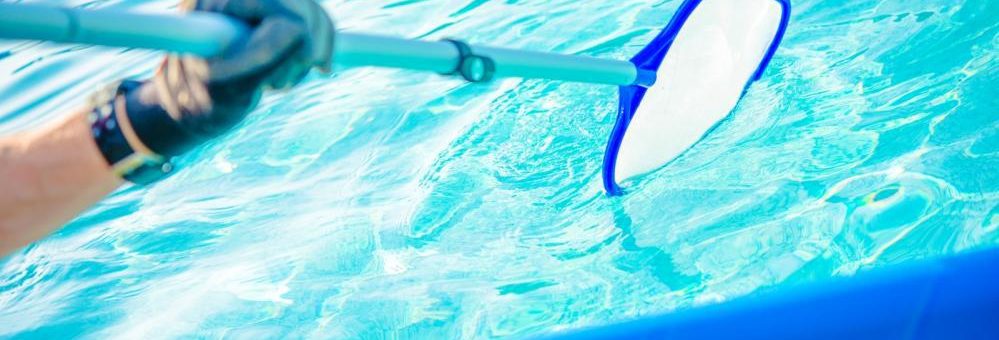
- Skimming leaves and floating debris
- Brushing pool walls and steps to remove buildup
- Vacuuming the pool floor
- Emptying skimmer and pump baskets
A thorough cleaning helps prevent contaminants from affecting water chemistry as you move into the balancing phase.
Step 3: Inspect Water Levels and Circulation
Proper water level is essential for effective circulation and filtration.
Check that:
- Water level is at the midpoint of the skimmer opening
- There are no visible leaks or drops in water level
- Return jets are circulating water effectively
If water levels are too low, add water before running the system. If levels have dropped significantly, further inspection may be needed.
Step 4: Test and Balance Pool Chemistry
Balanced water is critical for both swimmer safety and equipment longevity. After cleaning, test your pool water and adjust as needed.
Key chemical levels to evaluate include:
- pH levels
- Chlorine or sanitizer levels
- Alkalinity
- Calcium hardness
Adjust chemicals gradually and allow the system to circulate between treatments. Proper balance helps prevent irritation, scaling, and algae growth.
Step 5: Shock the Pool
After balancing, it is recommended to shock the pool to eliminate any remaining bacteria or contaminants.
When shocking your pool:
- Follow product instructions carefully
- Run the filtration system to circulate chemicals
- Avoid swimming until levels return to safe ranges
Shocking is especially important if the pool has been sitting unused or shows signs of cloudy water.
Step 6: Inspect and Test Pool Equipment
Your pool equipment plays a major role in maintaining water quality and overall performance. Spring is the time to ensure everything is working properly.
Inspect:
- Pump and motor for proper operation
- Filter system for cleanliness and function
- Heater for proper startup if applicable
- Valves and plumbing connections for leaks
- Timers and automation systems
Addressing small equipment issues early can prevent breakdowns during peak swim season.
Step 7: Check Pool Surfaces and Surroundings
Take time to inspect the pool structure and surrounding area for any signs of wear or damage.
Look for:
- Cracks in plaster or tile
- Loose or damaged coping
- Worn deck surfaces or trip hazards
- Signs of algae or staining
Maintaining the physical condition of your pool area helps ensure both safety and long term durability.
Step 8: Establish a Weekly Maintenance Routine
Once your pool is open and ready, consistent maintenance is key to keeping it in top condition throughout the season.
A basic weekly routine should include:
- Skimming and debris removal
- Brushing and vacuuming
- Testing and adjusting chemicals
- Emptying baskets and checking equipment
- Monitoring water levels
Staying consistent with maintenance reduces the likelihood of larger issues and keeps your pool ready for use at any time.
When to Consider Professional Pool Service
While many homeowners handle basic pool care, professional service can provide added peace of mind and ensure everything is operating at peak performance.
Our professional pool service team can:
- Perform detailed water testing and balancing
- Inspect equipment for hidden issues
- Provide routine cleaning and maintenance
- Address repairs quickly and efficiently
For busy homeowners, regular service helps eliminate the guesswork and ensures your pool stays clean and ready throughout the Houston swim season.
Start the Season with Confidence
Preparing your pool for spring is one of the most important steps in maintaining a safe and enjoyable swimming environment. By following a thorough checklist and addressing issues early, you can avoid common problems and enjoy a smoother season.
At Church Pool Services, we help Houston homeowners take the stress out of pool care with reliable, professional service tailored to your needs. From spring openings to ongoing maintenance, our team is here to keep your pool clean, balanced, and ready for every swim.
If your pool is ready for its seasonal opening, now is the time to schedule service and start the season with confidence.